Homemade Chicken Fettuccine Alfredo with Tomato, Basil, and Broccoli
Fresh, handmade fettuccine is tossed with seared chicken thigh, garlic-Parmesan Alfredo sauce, ripe tomato, and fresh basil. Long-cut, blanched broccoli finished in a wok completes the meal.
Watch the Recipe
Ingredients
Homemade Fettuccine
- 1 cup all-purpose flour, plus additional flour for rolling
- 1 large egg
- 3/4 teaspoon salt
- A small amount of water, added as needed
Chicken
- 1 boneless chicken thigh
- Salt, to taste
- Freshly ground black pepper, to taste
- Olive oil, for searing
Alfredo Sauce
- Approximately 1/4 to 1/3 stick butter
- Approximately 2 cloves fresh garlic, minced
- 1/4 to 1/2 cup whole milk
- Approximately 1 cup freshly grated Parmesan cheese, divided
- Freshly cracked black pepper, to taste
- Salt, if needed
Recommended improvement: Use heavy whipping cream instead of whole milk for a thicker, smoother, and more stable Alfredo sauce.
Tomato, Basil, and Broccoli
- 1 ripe, vine-ripened tomato
- Fresh basil leaves
- 1 small bunch fresh broccoli
- Butter or olive oil, for finishing the broccoli
- Salt and freshly ground black pepper, to taste
- Additional Parmesan cheese for serving
Preparing the Homemade Fettuccine
- Place the egg and salt in a mixing bowl.
- Add a small amount of water and mix the ingredients together.
- Gradually add the flour, mixing until the ingredients form a workable pasta dough.
- Allow the dough to rest while preparing the chicken, vegetables, and sauce ingredients.
- Dust the work surface with flour and roll the dough into a long, thin sheet.
- Cut the sheet into wide, Italian-style fettuccine noodles.
- Dust the noodles lightly with flour and keep them separated until the water is boiling.
The pasta sheet does not have to be perfectly shaped. Once it is sliced into noodles, boiled, and tossed with the sauce, small variations in shape add to its homemade character.
Preparing the Ingredients
- Cut the chicken thigh into manageable pieces and season it with salt and freshly ground black pepper.
- Wash the broccoli and cut it into long, thin pieces.
- If the lower broccoli stem is tough, use a vegetable peeler to remove its fibrous exterior.
- Cut the tomato and remove its seeds and gelatinous interior. Dice the remaining tomato flesh.
- Clean the basil and leave the leaves whole or tear them into large pieces.
- Trim and peel the garlic cloves. Lightly smash them before mincing to help release their oils and flavor.
- Grate approximately 1 cup of fresh Parmesan cheese. Reserve a portion for finishing the plate.
Cooking the Chicken
- Heat a small amount of olive oil in a skillet over medium-low heat.
- Add the seasoned chicken thigh.
- Sear the chicken until browned and completely cooked.
- Remove it from the skillet and set it aside while preparing the sauce.
Blanching the Broccoli
- Bring a large pot of water to a boil.
- Add the long-cut broccoli pieces and blanch them briefly.
- Remove the broccoli when it becomes bright green but remains slightly firm.
- Reserve the broccoli for a quick final sauté in butter or oil.
Cooking the Fresh Pasta
- Add the fresh fettuccine to the boiling water in small batches.
- Stir gently to prevent the noodles from sticking together.
- Boil the fresh egg noodles for approximately 1 to 2 minutes.
- Remove the noodles as soon as they become tender and transfer them directly to the sauce.
Making the Alfredo Sauce
- Reduce the skillet to low heat and add the butter.
- Add the freshly minced garlic and warm it gently in the butter. Do not allow the garlic to burn.
- Season the butter and garlic with freshly cracked black pepper.
- Add approximately 1/4 to 1/2 cup of whole milk and bring it to a gentle simmer.
- Gradually stir in most of the grated Parmesan cheese.
- Continue stirring until the cheese melts and begins thickening the sauce.
- If the sauce remains too thin, add additional Parmesan. A very small amount of flour or starch may also be used if necessary.
Assembling the Dish
- Add the cooked homemade fettuccine directly to the Alfredo sauce.
- Add the cooked chicken, diced tomato, fresh basil, and remaining Parmesan.
- Toss everything together and cook it briefly so the pasta absorbs some of the sauce.
- Taste and adjust the salt and black pepper as needed.
- Quickly sauté the blanched broccoli in butter or olive oil until heated through.
- Season the broccoli with salt and black pepper.
- Serve the broccoli beside the fettuccine and finish the plate with freshly grated Parmesan.
Key Cooking Pointers
- Fresh pasta cooks much faster than dried pasta and may require only 1 to 2 minutes.
- Cook fresh noodles in small batches and stir them gently to prevent sticking.
- Lightly smashing garlic before mincing makes it easier to chop and helps release its flavor.
- Cook garlic gently because burned garlic can make the entire sauce bitter.
- Heavy whipping cream produces a smoother Alfredo sauce than whole milk.
- Freshly grated Parmesan melts and thickens the sauce better than pre-shredded cheese.
- Reserve some Parmesan for finishing the completed plate.
- Removing the tomato’s watery interior keeps excess liquid out of the Alfredo sauce.
- When making a tomato-based pasta sauce, the seeds and gelatinous center may be retained because they contribute flavor and help thicken the sauce.
- Peeling the fibrous exterior from a broccoli stem allows the tender interior to be used instead of discarded.
- Blanching broccoli before sautéing helps preserve its bright color while shortening the final cooking time.
Watch the Review
Review of the Finished Dish
The completed meal was delicious, and I ate the entire plate, but two substitutions prevented it from developing the traditional Italian texture I wanted.
The noodles were made with an all-purpose wheat flour purchased from an Asian grocery store. The flour felt unusually starchy and clumped differently from the American all-purpose flours I normally use. Although the noodles cooked properly and tasted good, their texture resembled a wonton or steamed-dumpling wrapper. They were softer and more delicate than the dense, substantial pasta normally expected with fettuccine Alfredo.
The flour was not necessarily inferior; it was simply better suited to a different kind of dish. Its texture would probably work well for dumplings, wonton wrappers, or a stir-fried Asian noodle dish. I had previously used the same flour to make muffins, and those also developed an unexpected texture. The experience reinforced an important lesson: the right flour must be matched with the right recipe.
The second compromise was using whole milk instead of heavy whipping cream. When the whole milk reached the heated pan, its water began separating from the other components. As a result, the Alfredo sauce did not develop the smooth, thick, stable consistency associated with a traditional cream-based sauce.
The flavor was still excellent, but the sauce remained thinner than intended. Heavy whipping cream would have held together better and produced the rich, creamy texture expected from fettuccine Alfredo.
The fresh diced tomato and basil added color, freshness, and flavor to the pasta. Long-cut broccoli was blanched, quickly finished in a wok, and topped with Parmesan. A glass of Chianti completed the meal. Every component tasted good, but the dish did not completely satisfy the original craving because both the noodles and sauce had different textures from the Italian-style version I had imagined.
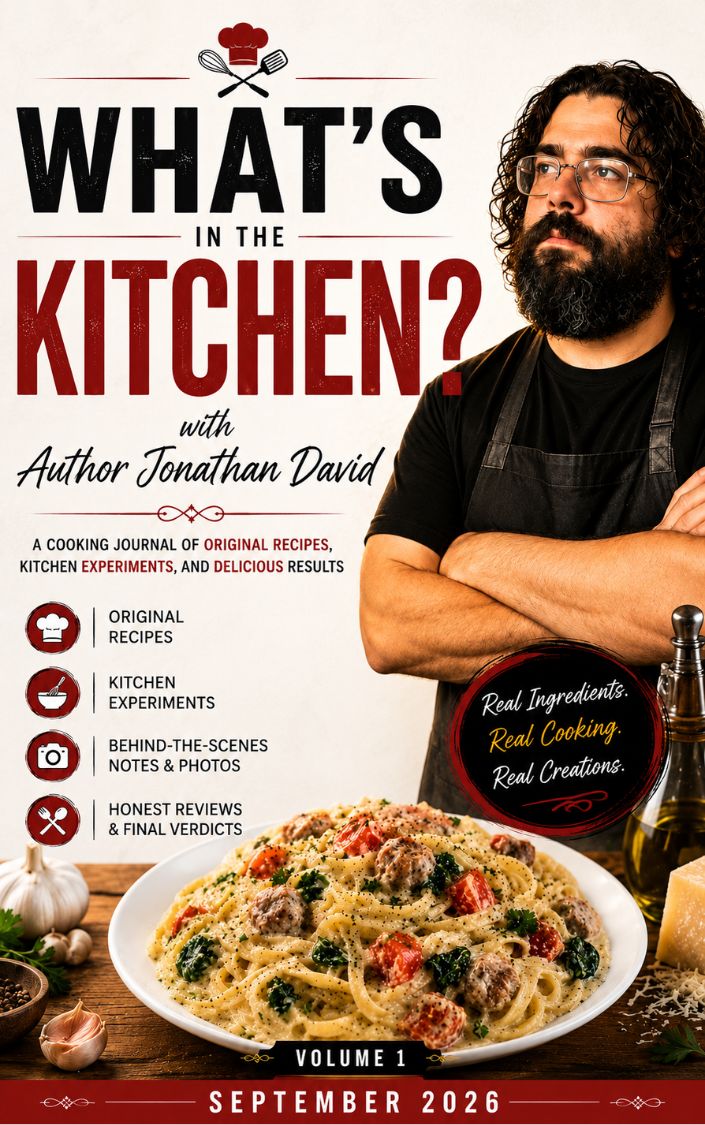
That experimentation is part of the purpose behind What’s in the Kitchen? I do not always know what I am going to cook until I see which ingredients are available. Sometimes the kitchen contains a wide variety of ingredients, and sometimes substitutions are necessary. Those substitutions can still produce delicious food while teaching an important lesson: an ingredient can be perfectly good but wrong for a particular result.
Final Verdict: The meal was flavorful, enjoyable, and completely worth eating. Next time, I would use a traditional American-style all-purpose flour to create denser Italian pasta and heavy whipping cream to produce a thicker, smoother Alfredo sauce. The Asian-market flour will be saved for dumplings or another dish better suited to its soft, wrapper-like texture.